



A Guide to Operate and Buy an Automatic Floor Scrubber
A floor scrubber has delicate components, so you’ll need to follow a few steps in order to keep your machine in optimum condition. Before you implement any advanced procedures, carefully read the owner’s manual for your unit. The booklet should have a chapter that addresses the maintenance requirements that are specifically designed for the machine.
A simple maintenance routine can help protect the machine, improve cleaning results, and reduce avoidable downtime. Operators should inspect key components before and after use, especially brushes, pads, squeegees, tanks, batteries, and hoses.
Before each cleaning shift, check:
- Brushes or pads for wear, buildup, or damage.
- The squeegee blade for debris, cracks, or uneven contact.
- Battery charge, water level if applicable, and charging procedures.
- Solution and recovery tanks for residue or clogs.
- Hoses, joints, and moving parts for leaks or loose connections.
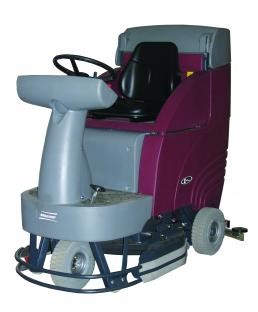
How to Maintain Automatic Floor Scrubber Brushes
The brushes underneath a floor scrubber will collect debris during use, so you must clean the bristles regularly. If a lot of dirt covers the brushes, the machine may malfunction over time.
Clean and Inspect the Floor Scrubber Squeegee
Debris, dirt, and lint will build up on the squeegee if you don’t clean the surfaces often. When your squeegee is extremely dirty, you’ll see unsightly lines after the machine glides over the floor.
Maintain the Floor Scrubber Battery
The battery in a quality automatic floor scrubber should be inspected several times a month. When your battery begins to fail, you can support proper battery performance by filling the port with distilled water during the charging cycle. You must monitor the water level at all times. If the water flows out of the battery, the acid will ruin your flooring.
Lubricate Joints and Check Moving Parts
You’ll need to rub oil on the joints regularly so that the machine will operate smoothly. You can determine which type of oil the machine uses by reading the maintenance section in the owner’s manual.
What to Consider When Buying an Automatic Floor Scrubber Machine
When shopping for an automatic floor scrubber, match the machine to the facility instead of focusing only on tank capacity. Cleaning path, maneuverability, battery runtime, solution control, and service access can all affect how well the machine fits daily operations.
If your business facility is small, you may want to buy a unit that has an on-board charger and an advanced braking system. Most commercial floor cleaning machines manufactured with these features also have the ability to rotate 360 degrees. To efficiently clean a typical facility, you’ll need a machine that has a 27-gallon tank and a removable debris box. Floor scrubbers that are specifically designed for average cleaning projects will have a control panel and a variable solution flow rate.
If you’re shopping for an innovative machine, many manufacturers are now building units with interchangeable scrub decks and a low-battery indicator light. These units are great investments because they are made out of a heavy-duty steel material. Units that have a 30-gallon tank, on the other hand, are ideal for larger commercial facilities. These machines are built with a parabolic squeegee, which absorbs water quickly and efficiently.
Request Help Choosing an Automatic Floor Scrubber
Minuteman can help you compare automatic floor scrubbers based on facility size, floor type, cleaning frequency, and operator needs. Contact us today or request a demo to find a walk-behind or rider scrubber that fits your floor care program.
Sources:
Properly Maintaining Floor Care Machines, CleanLink
6 Tips For Buying An Automatic Floor Scrubber, The Cleaning Image